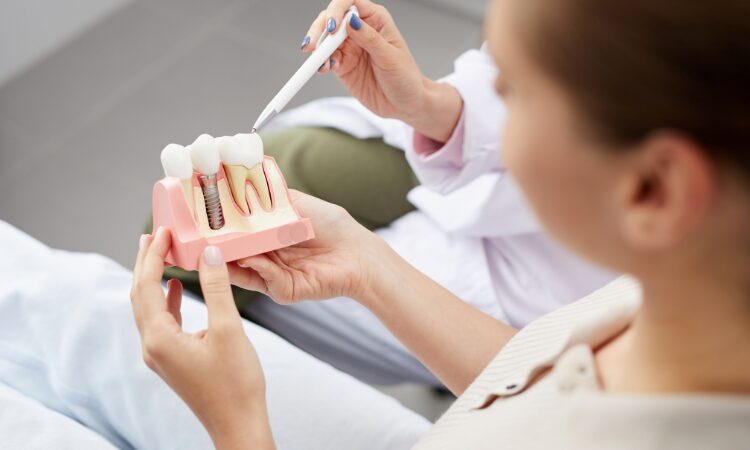
Dental implants are one of the most effective and long-lasting solutions for replacing missing teeth. This restorative dentistry option offers a natural look, feel, and function, often restoring confidence and improving oral health. But the success of a dental implant doesn’t end with the procedure itself. Proper aftercare helps the implant heal correctly and last for many years.
Whether you’ve just received an implant or are preparing for the procedure, understanding what comes next can make a big difference. Dr. Elizabeth Duling is here to provide dental implant aftercare tips at Cove Family Dentistry in Owens Cross Roads, AL.
The First 24 Hours
The first day after dental implant surgery is an important time for healing. It is normal to experience mild pain, swelling, or bruising around the area. These symptoms are temporary and should slowly improve over the next few days.
Rest is very important during this time. Avoid exercise or heavy physical activity for at least 24 hours. Applying an ice pack to the outside of your cheek in short intervals can help reduce swelling and ease discomfort.
Try not to disturb the surgical area. Avoid touching it with your tongue or fingers. You should also avoid rinsing forcefully, spitting, or using straws. These actions can loosen the blood clot that helps the area heal. If Dr. Duling prescribes medication, take it as directed to manage pain and lower the risk of infection.
Eating and Drinking After Implant Surgery
What you eat after implant surgery can affect how well you heal. For the first few days, stick to soft foods that do not require much chewing. Good choices include
- Yogurt
- Smoothies
- Mashed potatoes
- Eggs
- Oatmeal
Avoid crunchy, hard, sticky, or spicy foods until the area has healed. These foods can irritate the surgical site or cause discomfort. Drinking plenty of water is also important, but avoid alcohol and carbonated drinks during the early healing phase. These beverages can slow healing and cause irritation.
Keeping Your Mouth Clean
Good oral hygiene is still important after you get a dental implant, but you want to be gentle with your new teeth. In the first few days, Dr. Duling may recommend a special mouth rinse to help reduce bacteria without disturbing the implant area.
You should continue brushing your teeth, but be very careful near the surgical site. Use a soft toothbrush and avoid direct pressure on the area until it begins to heal.
As healing continues, you can slowly return to your normal routine. Keeping the area clean helps prevent infection and protects the implant as it bonds with the jawbone.
Follow-Up Visits Matter
Follow-up appointments are an important part of dental implant aftercare. During these visits, Dr. Duling carefully checks how your implant is healing and how well it is bonding with your jawbone. She also looks at the surrounding gums to make sure they are healthy and free from infection.
As treatment continues, Dr. Duling will also check the fit and function of your dental crown or restoration. She makes sure your bite feels comfortable and that your implant looks natural with your smile. If any small adjustments are needed, they can often be made early before they become bigger problems.
Don’t skip follow-up visits, even if everything feels fine. Some issues do not cause pain right away, but catching them early helps protect your implant. If you notice ongoing discomfort, swelling that does not improve, or signs of infection, contact our office right away so we can help.
Caring for Your Implant Long Term
Once your implant has healed and your final crown is placed, you can care for it much like a natural tooth. Brush twice a day, floss daily, and visit the dentist regularly for cleanings and exams.
Dental implants are very strong, but certain habits can shorten their lifespan. Smoking, grinding your teeth, or skipping dental visits can cause problems over time. Wearing a night guard and keeping up with daily oral care can help protect your implant and keep your smile healthy.
in Owen’s Cross Roads, AL
If you have tooth loss or need an extraction, Dr. Elizabeth Duling is here to help. With dental implant restoration, you could experience a full smile and complete bite once more. Contact her office today at 256-534-1475. You can also schedule a consultation at Cove Family Dentistry online.